Aural Tools

minuzia

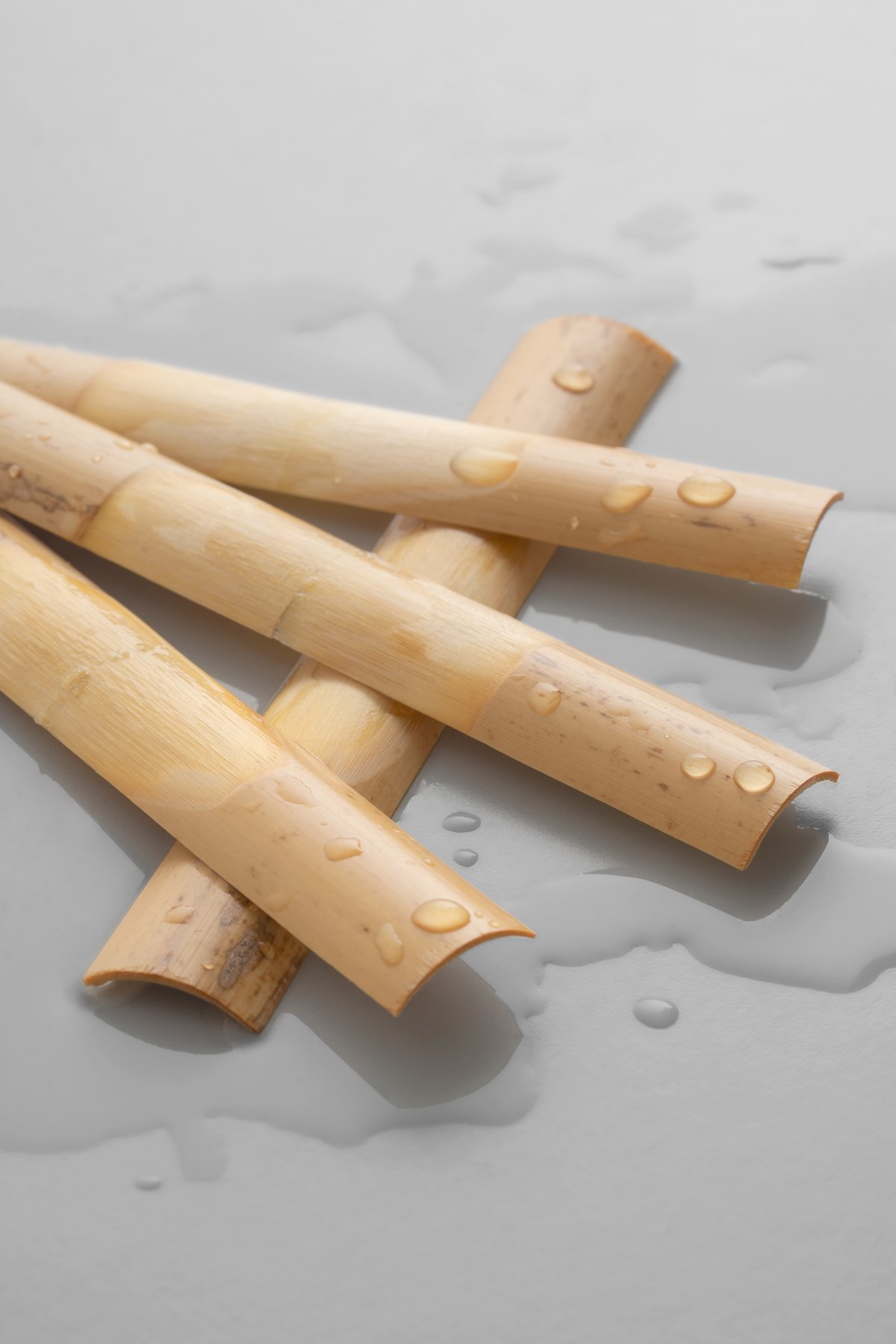
minuzia, close view of wet bassoon cane reeds.
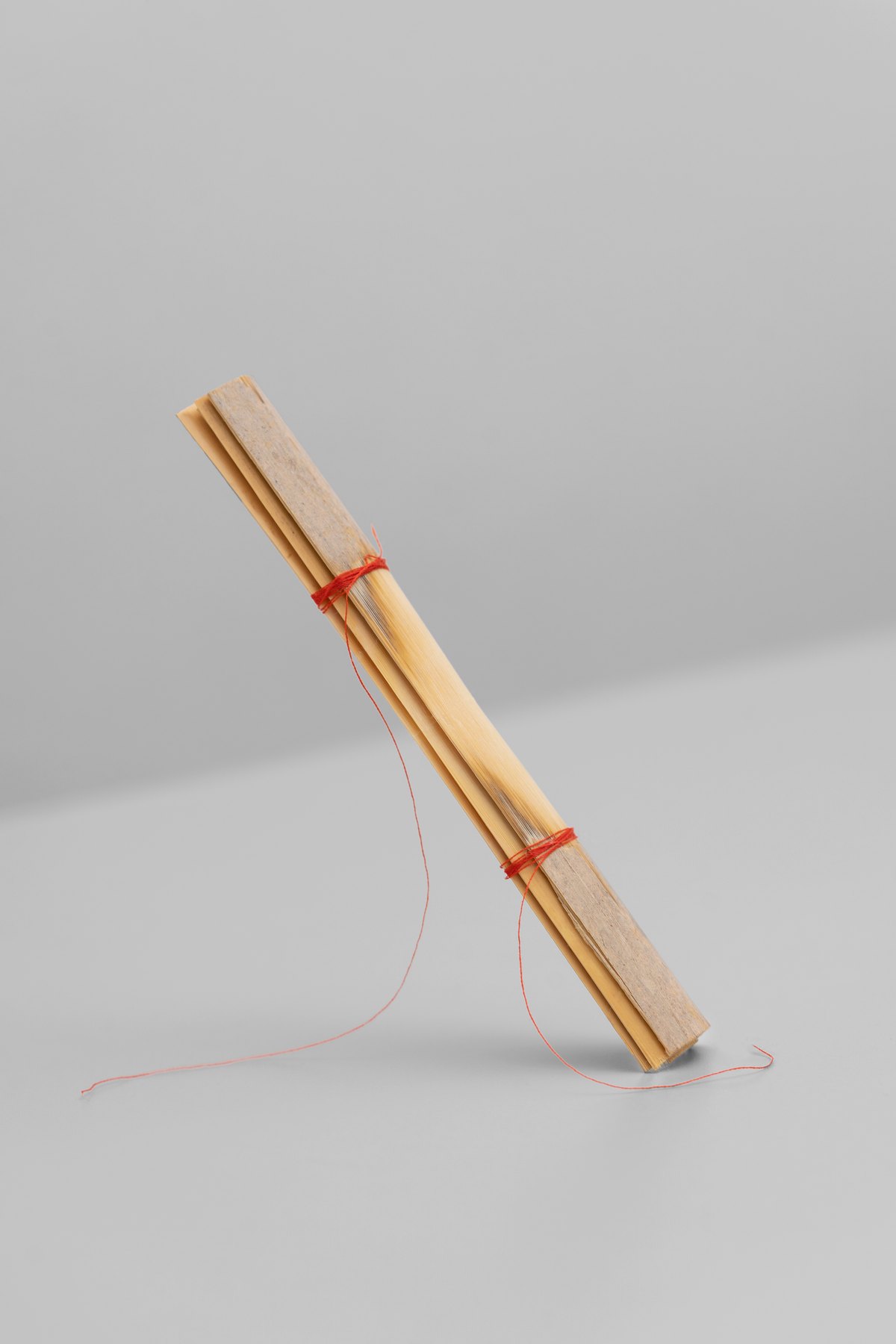
minuzia, bassoon cane reeds bundled together.

minuzia is a set of four bassoon reeds left unfinished: cut, trimmed and gouged, but not yet shaped or folded. After being soaked in water for some time, they crackle as they dry: small clicks at irregular intervals, quiet and brief, that can go on for hours. The same reeds can be soaked again and again. It starts from something bassoonist Dafne Vicente-Sandoval noticed while making her own reeds.

Read moreClose

Like many bassoonists, Dafne makes her own reeds. One step of the process is to soak them in water and leave them to dry overnight, so they can settle before being folded and assembled the next morning. In her flat in Paris, she began noticing a faint crackling as they dried, especially at night: the minute movements of the plant fibres responding to the loss of moisture.

She first turned this into a sound installation, with the drying reeds amplified through contact microphones. After visiting it, I asked her for a few reeds to try at home. Listening to them without amplification, I was amazed at how much more aware I became of the sounds always present in the background of my flat. Since Dafne’s practice explores the fragile point where sound emerges from silence, I suggested we develop a completely acoustic version.

In her accompanying text, Notes on minuzia, Dafne writes about this in-between condition: the reed is neither simply a plant nor yet an instrument, and English uses the same word for both. In her playing she sustains extremely soft vibrations at the limit of what can be heard, letting the reed respond to its surroundings, even to the humidity produced by the breathing of the audience. minuzia isolates these relationships, reducing them to the encounter between reed, water, air and time.

Anthropologist Tim Ingold contributed an essay based on listening to the four reeds. As the crackles become increasingly faint, he asks what it means to hardly hear something: is audibility a threshold that sound either crosses or fails to cross, or a state in which we can remain, listening?

Comes with printed sheets containing an introductory text, instructions with drawings by Mattia Pajè, notes by Dafne Vicente-Sandoval and an essay by Tim Ingold.

Developed during a residency at Pianpicollo Selvatico, which also funded the first production run with the support of Fondazione Cassa di Risparmio di Cuneo and Regione Piemonte.